
Remote Patient Monitoring
Optimizing RPM Programs for Better Outcomes
Aug 10, 2025
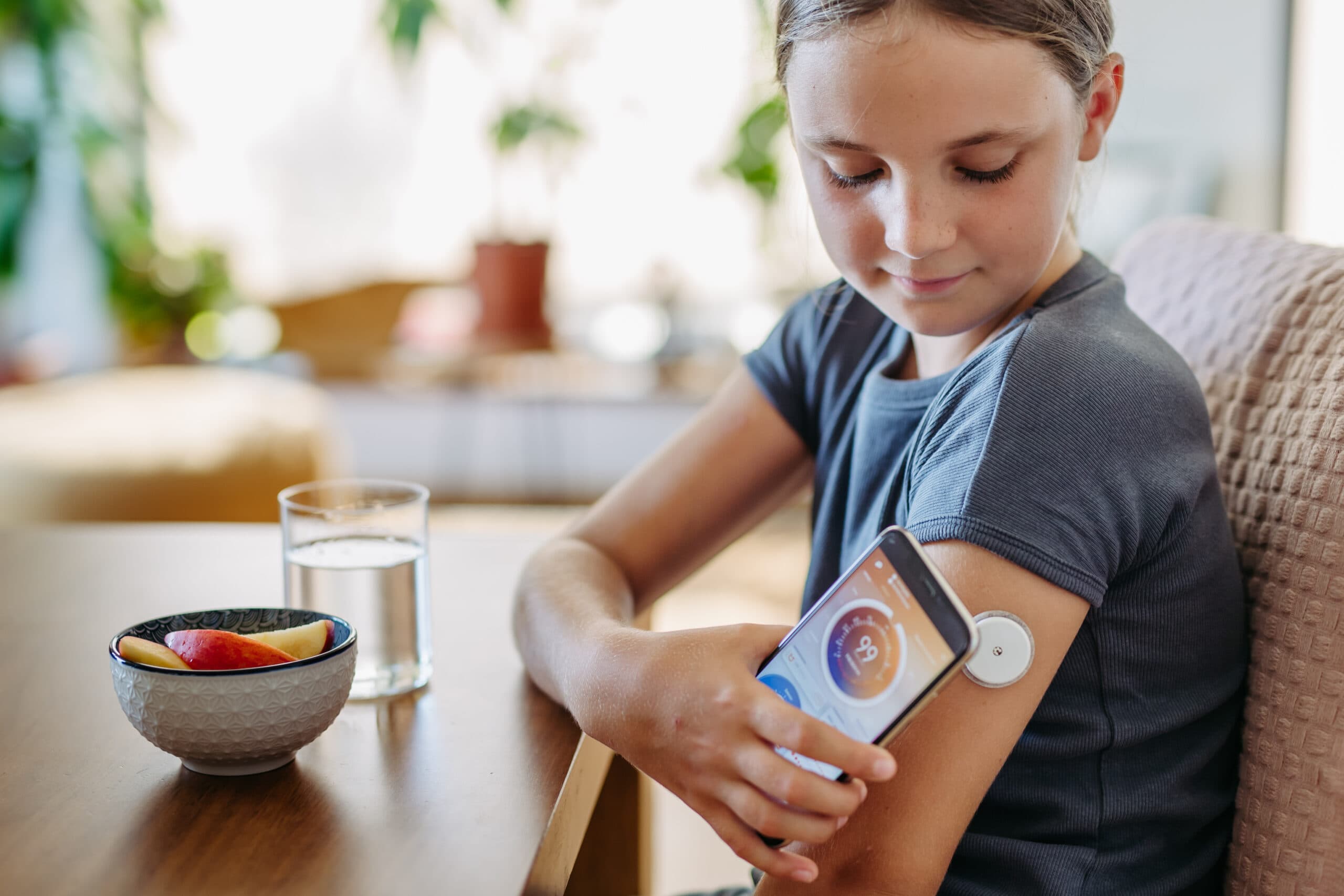
Remote Patient Monitoring (RPM) programs have revolutionized the way healthcare providers manage patient care. By leveraging connected devices, clinicians can track vital signs, medication adherence, and overall health trends from the comfort of the patients home.
Key Benefits of RPM Programs
- Continuous monitoring of patient health outside clinical settings.
- Early detection of potential complications and risk factors.
- Improved patient engagement and adherence to treatment plans.
- Reduced hospital readmissions and ER visits.
Strategies for Optimization
Successful RPM programs are built on clear protocols, patient education, and seamless integration with clinical workflows. Here are some strategies to optimize outcomes:
- Device Selection: Choose reliable devices that are easy for patients to use and integrate automatically with the monitoring platform.
- Patient Training: Provide comprehensive onboarding so patients understand how to use devices correctly and consistently.
- Data Analysis: Use analytics to identify trends, high-risk patients, and actionable insights for timely interventions.
- Clinical Integration: Ensure RPM data integrates smoothly with EHRs and existing clinical workflows for faster decision-making.
Measuring Success
To measure the effectiveness of RPM programs, monitor metrics like patient engagement, adherence rates, readmission rates, and overall clinical outcomes. Continuous improvement based on these insights ensures programs deliver maximum value.
“RPM programs empower patients and providers alike, transforming healthcare from reactive to proactive.”
By optimizing RPM programs, healthcare organizations can enhance patient satisfaction, improve health outcomes, and reduce costs—all while providing personalized, real-time care.